Mara Baumann · 14 September 2026
How Niche Digital Tools Are Reshaping Coastal Business Visibility Through Indirect Search Pathways
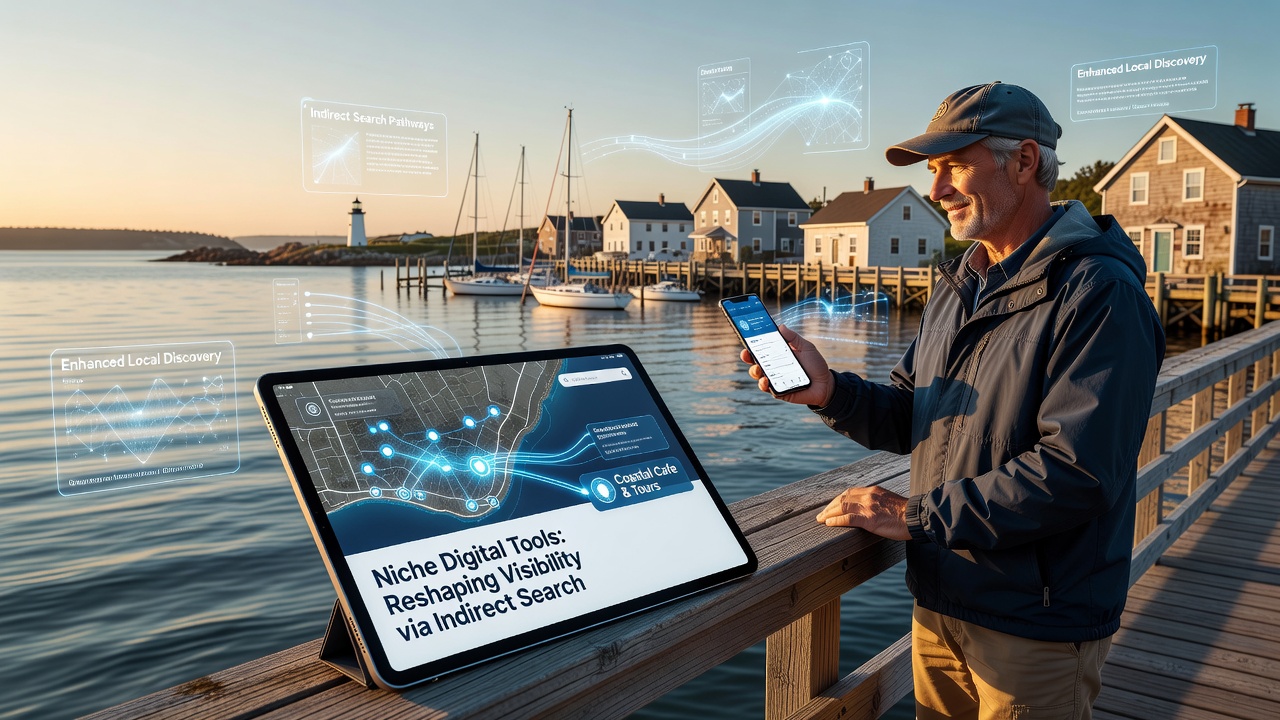
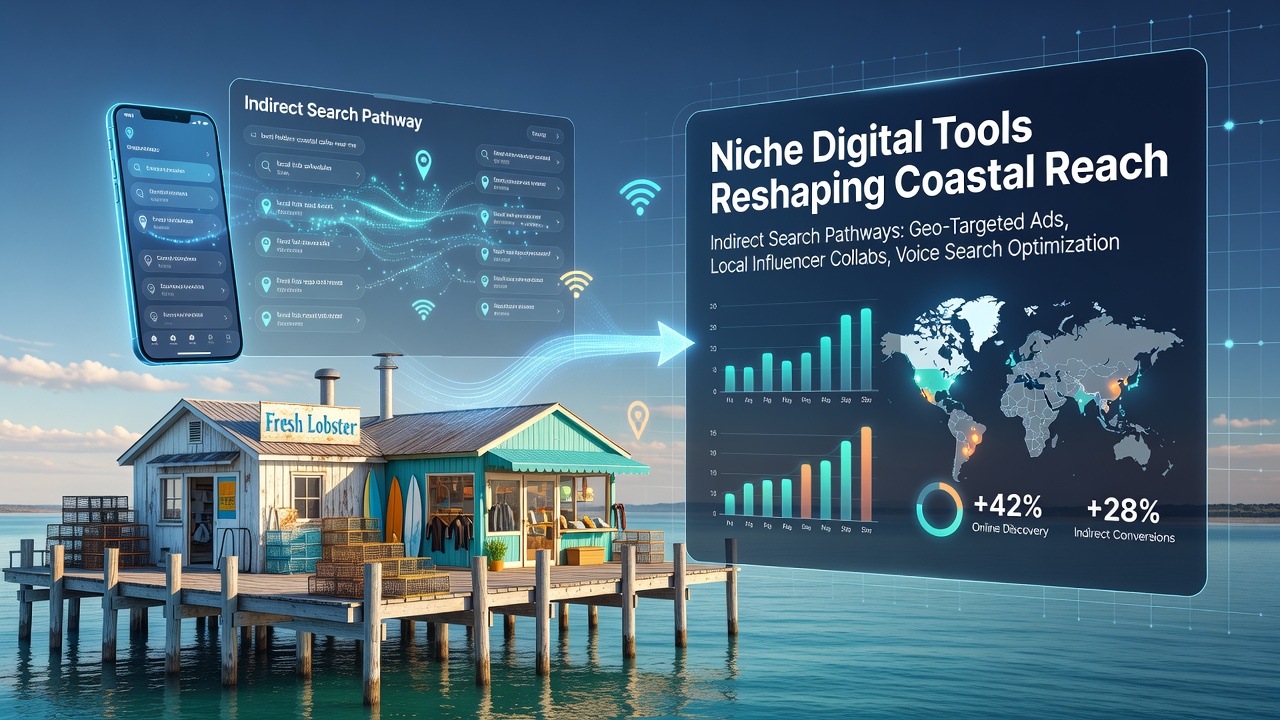
Coastal businesses ranging from seafood suppliers to waterfront lodges have seen shifts in how customers discover them, and niche digital tools now drive much of that change through indirect search pathways. These pathways include location-based queries on maps, voice assistants, and specialized apps that connect users to services without requiring direct brand searches. Data from coastal economic reports shows that businesses optimized for these channels experienced measurable increases in discovery rates between 2024 and 2026.
Indirect Search Pathways and Their Mechanics
Indirect search pathways operate when users query broad terms such as nearby attractions or seasonal activities, and algorithms surface relevant businesses through layered data sources. Researchers at marine resource institutes have documented how tools that integrate tide schedules, local event calendars, and environmental sensors feed into search rankings. One study released in September 2026 by an Australian coastal management agency revealed that businesses appearing in these integrated feeds captured higher click-through rates than those relying solely on standard directory listings.
Voice search platforms add another layer, because queries like "places open near the harbor right now" pull from real-time data feeds rather than static websites. Those who have tracked adoption rates note that niche tools capable of syncing with these platforms create visibility loops where initial exposure leads to reviews, which then reinforce future appearances in similar queries.
Niche Digital Tools Gaining Traction
Specialized platforms focused on geo-specific content have emerged as key players. These include apps that combine nautical charts with business listings, and platforms that aggregate user-generated photos tagged to specific coastal landmarks. Figures from a Canadian fisheries and oceans department report indicate that businesses participating in such platforms saw their mentions in indirect results rise by double-digit percentages in targeted regions during 2025.
Another category involves tools that monitor and respond to environmental data streams, such as water quality alerts or storm tracking systems. When these tools surface timely information, associated businesses gain incidental exposure. Observers note that this mechanism works particularly well for tour operators and equipment rentals, since users searching for safe conditions often encounter service providers through the same interface.
Impact on Visibility Metrics
Coastal regions present unique challenges because seasonal fluctuations affect search volume. Data compiled by European marine research networks shows that businesses using niche tools maintained steadier visibility during off-peak months compared with those using only broad marketing channels. The pattern appears in both Mediterranean and Pacific coast locations, where tool adoption correlated with consistent placement in map-based and app-driven results.
Case examples illustrate the process. In one Pacific Northwest community, a group of kayak rental operators integrated their availability data with a local tide and weather aggregator. Subsequent analysis found that indirect queries for recreational activities produced more referrals to these operators than traditional paid advertisements. Similar patterns emerged in Gulf Coast fishing charter services that linked their booking systems to environmental monitoring dashboards.
Technical Integration Practices
Successful implementations typically involve structured data markup for local attributes, API connections to mapping services, and regular updates to niche directories. Government statistics from the National Oceanic and Atmospheric Administration highlight that regions with higher rates of such technical integrations reported stronger economic multipliers from tourism-related searches. These integrations allow algorithms to pull accurate, current information without requiring users to navigate multiple separate sites.
Businesses that combine these technical steps with participation in industry-specific networks often achieve compounding effects. One documented instance involved a cluster of coastal farms selling directly to restaurants; after connecting inventory data to a regional sourcing app, their appearances in supply-related searches increased noticeably within six months.
Conclusion
Niche digital tools continue to influence how coastal businesses appear in indirect search pathways through data integration, real-time updates, and specialized platform participation. Reports from multiple geographic sources confirm measurable changes in discovery patterns, and the trend shows no sign of slowing as more tools incorporate environmental and location signals. Businesses that align their online presence with these pathways position themselves for sustained visibility across seasonal and geographic variations.