Yves Griffin · 28 September 2026
Navigating Niche Markets: Digital Compass Features That Aid Coastal Retailers in Targeted Search Optimization
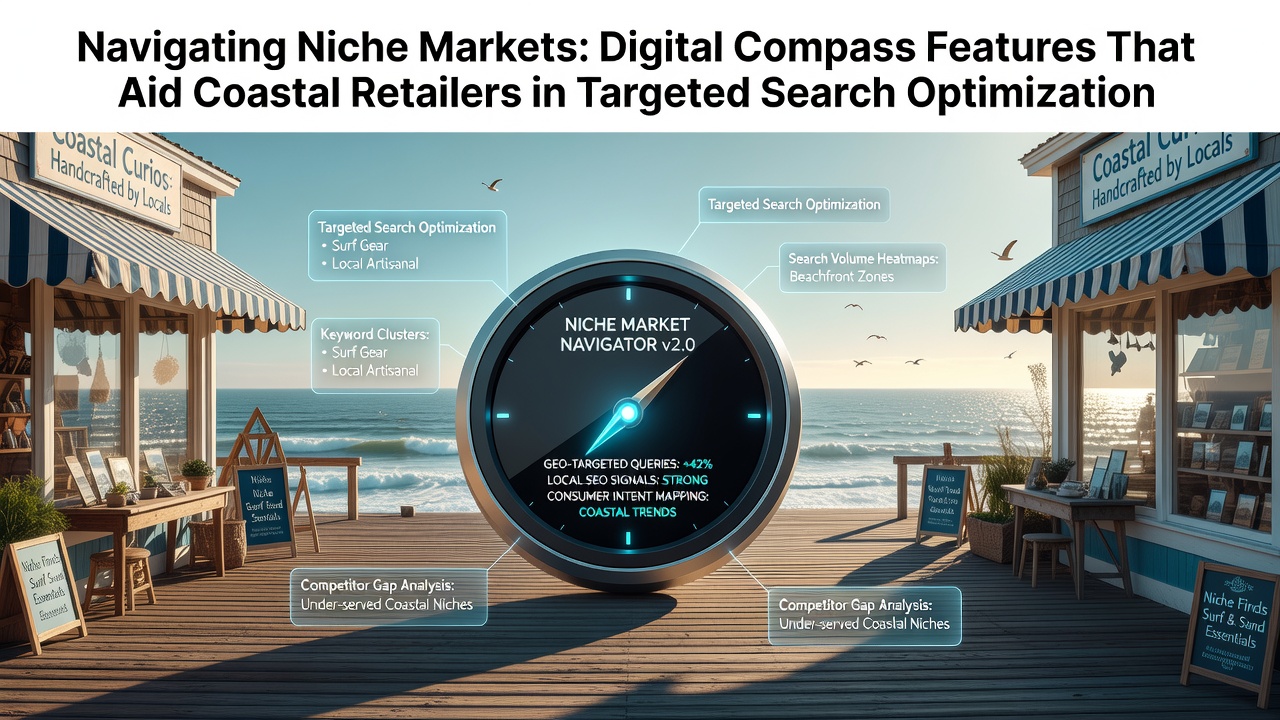
Coastal retailers operate in environments shaped by seasonal tourism, shifting weather patterns, and hyper-local consumer behaviors that demand precise search strategies, and digital compass platforms have emerged with specialized features to address these variables through data-driven targeting. These tools integrate mapping overlays, keyword clusters tied to tidal and regional events, plus analytics dashboards that track visibility shifts in real time across multiple search engines.
Mapping Coastal Consumer Patterns with Precision Tools
Retailers along shorelines face unique challenges because search queries often incorporate geographic markers like beach names, harbor districts, or seasonal festivals that fluctuate throughout the year, and digital compass systems respond by layering proprietary geofencing data onto standard SEO frameworks so businesses can align content with those specific intent signals. Data from the Australian Bureau of Statistics shows coastal retail searches peak during summer months when visitor volumes increase, prompting platforms to adjust bid strategies and content calendars automatically based on historical patterns rather than generic national trends.
Geolocation Layers and Keyword Integration
One core feature involves dynamic geolocation layers that pull from satellite and buoy feeds to refine store listings and product pages, allowing retailers to surface inventory such as surf gear or seafood products when users search within defined coastal radii, while conjunctions like "near me" combine with terms such as "low tide specials" or "storm prep kits." Researchers at the University of British Columbia documented how these layered approaches improved click-through rates for small coastal outlets by aligning metadata with micro-regional queries that larger national campaigns overlook.
Seasonal Analytics and Algorithm Adjustments
September 2026 brought updates to several major search algorithms that placed greater weight on location freshness signals, and digital compass platforms incorporated those changes through automated audits that flag listings needing refreshed images or event-based descriptions tied to coastal conditions. Retailers receive alerts when competitor pages gain traction during events like harvest festivals or hurricane preparedness periods, enabling rapid content tweaks without manual keyword research each cycle.
Analytics modules within these systems aggregate data from multiple sources including foot traffic sensors and online query logs, then present visualizations that highlight which product categories perform best under varying wind or tide conditions, so store owners can optimize landing pages accordingly. This integration reduces the time spent cross-referencing separate tools and creates a unified workflow for maintaining search prominence throughout fluctuating demand periods.

Targeted Content Delivery Through Niche Pathways
Features supporting indirect search pathways include automated generation of localized schema markup that incorporates coastal landmarks and environmental data points, which helps search engines connect retailer sites to queries about nearby attractions or ecological conditions without relying solely on broad terms. Observers note that businesses using these markup tools see sustained visibility even when direct competition intensifies during peak seasons because the structured data creates additional entry points into recommendation carousels and map packs.
Another element centers on competitor monitoring modules that scan regional listings for emerging trends, such as new pop-up vendors or changes in port regulations that affect supply chains, and translate those insights into suggested optimizations for product descriptions and category pages. Canadian retail associations have tracked how early adoption of similar monitoring reduced lost rankings during regulatory shifts affecting waterfront commerce zones.
Integration with Broader Search Ecosystems
Digital compass platforms also connect with third-party advertising networks and local directory services to synchronize updates across platforms, ensuring that inventory changes or promotional events appear consistently whether users search via voice assistants, mobile maps, or desktop engines. This synchronization proves especially useful for coastal retailers managing perishable stock or weather-dependent offerings because timing errors can quickly erode trust in local results.
Performance reporting draws from aggregated regional datasets rather than isolated store metrics, giving users context on how their visibility compares against similar outlets in comparable tidal zones or tourism corridors. Such benchmarking helps identify gaps in keyword coverage before they widen into sustained traffic losses.
Conclusion
Coastal retailers gain measurable advantages when digital compass features align technical optimizations with the specific environmental and seasonal factors that define their markets, and ongoing platform refinements continue to incorporate new data streams from regulatory bodies and research institutions across different regions. These capabilities support sustained search performance by focusing on precise, location-sensitive targeting that generic tools often miss.